
NZXT Alpha Classical Series Mid-Tower Case
NZXT Alpha Gaming Case
Isn't it odd, that of all the components that have to be selected, purchased and then assembled when building a system, selecting just the right case seems to be the hardest choice of all? What would seem to be a simple decision, is often made so difficult by the highly competitive enclosure market with it's seemingly endless number of case offerings. OK, maybe not endless, but currently there are at least 50 different case manufacturers offering cumulatively over 850 various styles and designs! Wow. Where to start?
Fortunately, since the Enclosure market is roughly organized into three segments; entry/OEM level, mid-range and performance/enthusiast, all you need to do to begin your case search, is to figure out which segment of the market fits your needs and zero your search down to that particular segment. Someone looking to spend between $25.00-75.00 on their system's enclosure need not waste their time exploring the expensive performance/enthusiast segment of the market, and so on. Well, if part of your criteria is that you are on a budget or a first time builder, then usually the place to start is at the entry and budget mid-range levels.
Once there, while parusing the current multitude of styles and designs, your eye would almost certainly be caught by the entry-to-mid-range NZXT offering: the ALPHA. The first time you see it, you'll think, "I bet that's what Darth Vader's desktop looks like." Today at Benchmark Reviews, we're going to find out if NZXT's latest in their Classic series line is just another....pretty face?

About the company: NZXT
NZXT was established in 2004 in Los Angeles, California. While the company's products are designed and engineered in the United States, they are manufactured overseas in China and Taiwan with high quality materials and engineered in the best possible conditions.
NZXT, a company built upon gamers dreams, hopes to create products that put consumers first. Our objective is to provide every gamer with a case that they can identify with. Combining unique designs with case performance, consumers will finally be able to find a quality case that will represent their own style and personality.
In the future, NZXT wishes all gamers who desire a personalized case to find it at NZXT. With the unveiling of every product, NZXT improves upon weaknesses and strives for excellence. Achieving excellence is not an easy task, however, NZXT is determined to meet or surpass consumer expectations. NZXT is also determined to earn the consumers trust and loyalty with not only their quality products, but unsurpassed customer service as well.
Classical Series Features
-
Screwless installation
-
Easy access side panel w/thumb screws
-
Gloss black finish
-
Windowed side w/blue LED fan (Optional non-windowed versions also available)
-
Front E-SATA port
-
Blue LED lit front panel
-
Doorless front panel access
-
Exceptionally light weight
-
Turned HDD cage that fits up to 5 HD Drives
-
Compatible with SLI and Crossfire configurations
-
Accommodates GPUs as large as the 8800GTX
NZXT Alpha Specifications
-
Color: Black
-
Weight:13.8lbs
-
Dimensions:19.69"Depth/ 10.08"Width/ 21.46"Height
-
Material:0.6mm Steel and Clear Plastic
-
Motherboard Form Factors: ATX, Micro-ATX, Mini-ATX and Baby AT
-
Expansion Slots: (Standard) 7 slots
-
Fan Mounts: 3 x 120mm
-
Fans Included:1 rear 120mm fan/ 1 side 120mm blue LED fan
-
Drive Bays: 4 External 5.25" Bays/ 2 External 3.5" Bays/ 5 Internal 3.5" Hard Drive Bays
-
Switches: Power and Reset
Closer Look: NZXT Alpha Exterior
I opted to skip the ubiquitous picture of the product in it's shipping carton for this review, you can thank me later. The box was made of high quality Chinese cardboard (Isn't that an oxymoron?) and well labeled leaving no doubt of the contents or the products dimensions and features. The carton was simple in it's presentation of what was inside leaving one the impression that NZXT expected their product to be bought on reputation, and not because of fancy packaging.

The Alpha comes well protected with polystyrene inserts on both ends and completely encased in shipping plastic insuring NZXT's product arrives to your home in pristine condition.
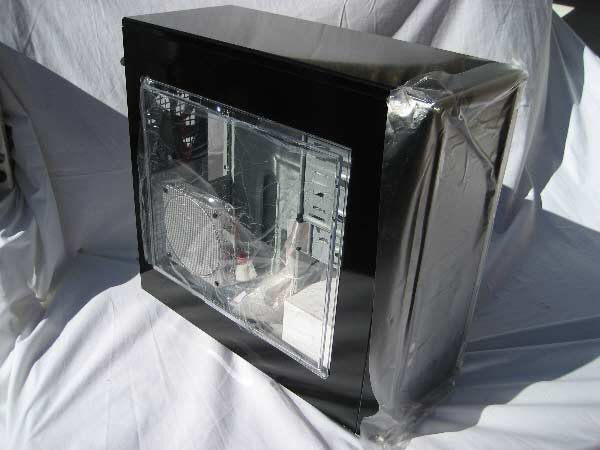
This image reveals that under the polystyrene inserts and outer plastic bag, is a surface protecting film to prevent scratches to the windowed side door and front panel before the consumer receives the product. A final thorough touch by NZXT assuring the case's vulnerable areas are unscathed during production and before shipping.
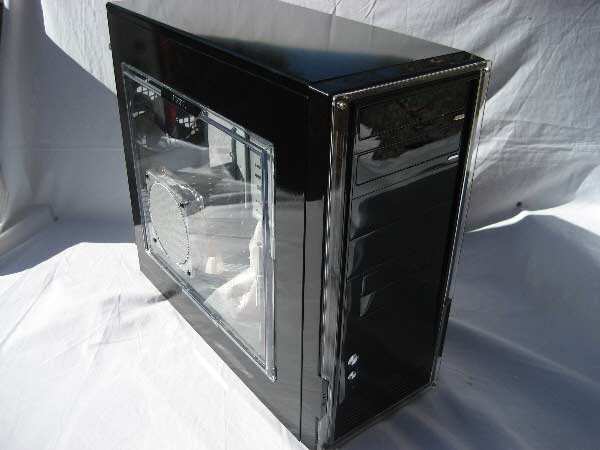
The Alpha with all it's shipping protection removed. The frame and body of the case are made of steel while the front bezel is made of plastic and the side panel window and front LED effect consist of acrylic. A nice, sleek looking product with it's glossy black finish and highly reflective front bezel. NZXT chose to add a blue LED effect that's reflected by the clear acrylic ring around the perimeter of the front bezel, as well as a blue LED fan in the window that makes this case a real eye catcher. For some reason, when I look at the Alpha, I think of Star Wars!

Side view showing the revealed interior. Nothing fancy here, except for the nice beveled edge of the component window. In many ways this is still a very typical case design, and not too far from the industry design pattern for standardized ATX cases.

Here is a close up of the front IO panel located on the bottom front right side of the case. At the top is the very cool E-SATA port followed by microphone and headphone jacks, and dual 2.0 USB ports. The e-SATA connectivity is very useful and advanced, certainly an upgrade for a case in the Alpha's price range and market segment. The edge of the front acrylic ring can be seen to the left of the IO panel in this image.
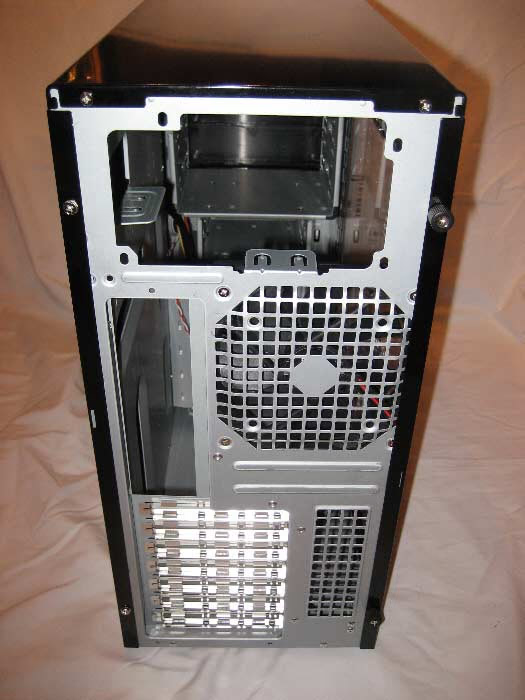
The Alpha as viewed from behind. Standard fair, and really, this could be a picture of the rear of just about any entry level to mid-range case offering on the market today. The interior allows for the top power supply bay to accommodate oversized units but other than that nothing exceptional or innovative. Note the thumb screws at the right edge, and the lack of options for water cooling solutions. Instead of water cooling grommets, NZXT opted for an additional unfiltered ventilation grill to the right of the PCI slots.

No wheels here, nothing fancy or innovative, just classic hard rubber feet that provide ample, stable support. Note there is no option for any ventilation or cooling solutions in the floor of this case. Also note the rivet construction that allows for frame flexibility if the case's structure is stressed during moving or transport.
Detailed Exterior Features
The exterior of the Alpha is really it's strong point as the interior has virtually no new design features. The case was designed to have a sort of Darth Vader look to it, and I believe NZXT succeeded in pulling it off. With this case NZXT put all the "wow" factor in the Alpha's unique exterior look, and it was obviously meant to be a displayed component as well as an enclosure for a computer system. Lots of reflection, shine, and blue LEDs give this case that futuristic look so popular with today's gaming enthusiasts. The NZXT Alpha is an attractive enclosure, and given the option of selecting the non-windowed version, this enclosure could easily find itself in an upscale cutting edge office environment, blue LEDs and all.

The Alpha was also an extremely difficult case to photograph because of it's reflective nature, as can be seen above. Many a shot hit the proverbial cutting room floor for the review of this case and given another opportunity, I would approach the photographing of the Alpha differently.

The power switch and reset button are often used by reviewers as a sort of litmus test to quickly tell if a case is of quality or not. Loose, sticking, or ill fitting power and reset buttons are usually signs that the case lacks quality and may not stand up to the test of time, especially since the power and reset buttons will probably be touched more than any other part of the case! Fortunately, the Alpha's power and reset buttons fit nicely, are made of metal textured for touch and clicked in and out with a satisfactory clean action. Take note of the vent slots in the bottom of the Alpha's front bezel above. Also, the bottom circle below the power and reset buttons is the green power LED.
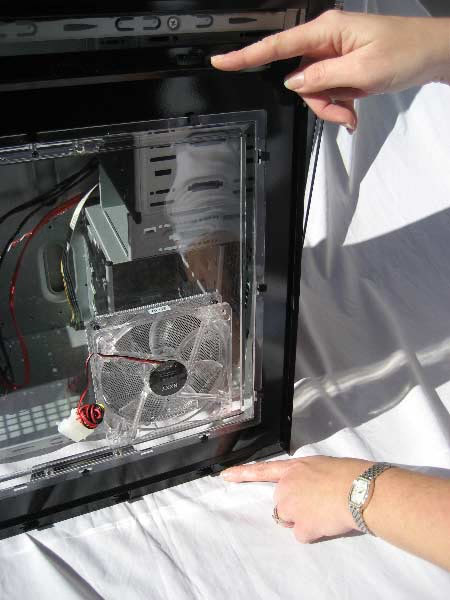
The metal side attachment prongs are cut out of the same piece of steel as the cases side panel but because they are painted black like the rest of the panel itself they are difficult to see even with Dee pointing them out. The method of attaching the side panel of the Alpha is very simple, durable and effective. In the past Benchmark Reviews has frowned upon weaknesses in other more expensive case designs because the prongs were impractically made of plastic and almost certain to succumb to the test of time. The end user can remove the Alpha's side panel innumerable times and never have to worry about a plastic prong breaking, or one made with any other less durable material for that fact. I like that.
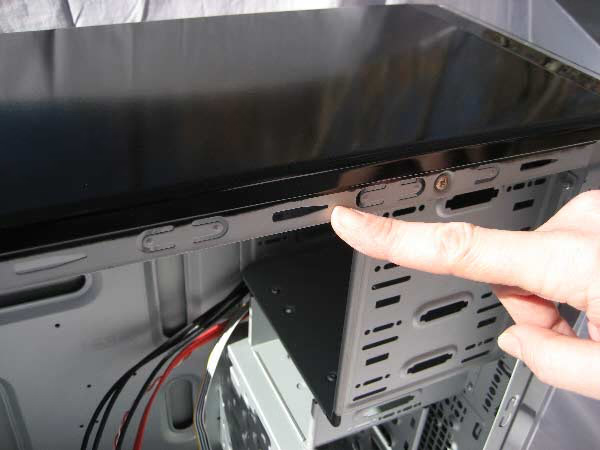
Here are the slots in the body of the case that the panel prongs slide into; the panel tightens down as the prong moves into the narrowed end of the slot. Add the two thumb screws in back and the windowed panel is quite secure and snug. The side panel attachment system is obviously designed to survive even the most careless use and still be effective.

Quality side door thumb screws. A little bulky, but easier to use than the solid metal ones provided with the far more expensive Antec P180. Users with large fingers will certainly appreciate the plastic grips.

Remove the two rear thumb screws and slide the windowed side panel back, and voila! You have easy access to the interior of the case. (Don't forget to disconnect the side door fan molex before removing the door very far from the proximity of the case!)
Closer Look: NZXT Alpha Interior
Here at Benchmark Reviews we've seen virtually this same interior, in just about every entry level to mid-range case offering in the industry, with the only exceptions being at the extreme top end of the market. When are the designers going to take a chance and do something risky like, oh, let's say providing 8 PCI slots instead of 7? Have today's designers noticed that 7 slots really isn't enough anymore with the advent of dual slot GPUs, SLI, Crossfire and the like? (The new and ultra expensive, ultra high-end Lian Li PC-P80 is, at the moment, the only design I can think of with 8 or more PCI slots.) The lack of new developments in standard enclosure interiors isn't just an issue for NZXT, it's an industry wide issue that needs to be addressed if case designs are to continue to move forward.
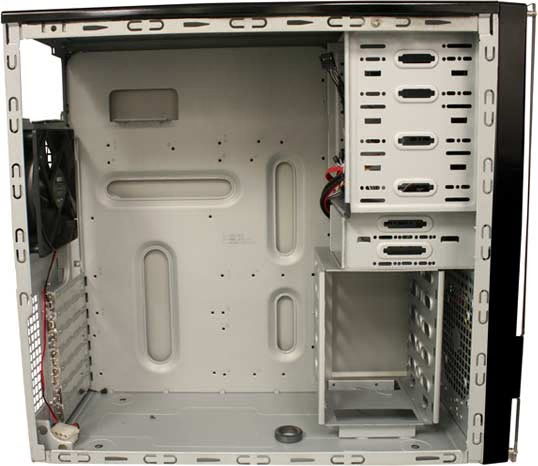
The Alpha's interior in all it's....glory? Exactly my point. You've been here and seen this before. There is one newly added feature to the Alpha's interior that I haven't seen before though, and it addresses a complaint I have heard time and time again. Sharp metal corners. It is difficult to see in this shot, but notice the small black rubber corner cap on the bottom outside corner of the top 5.25 external bay cage; there is also one on the top outside corner of the bottom HD cage too, though it is virtually invisible from this angle. The rubber is soft and effective and once again NZXT displays it's ability to go the extra mile with a thoughtful detail to show the customer they care. The small circular ring on the floor of the case near the HD cage is an o ring magnet used, I assume, for additional cable management.
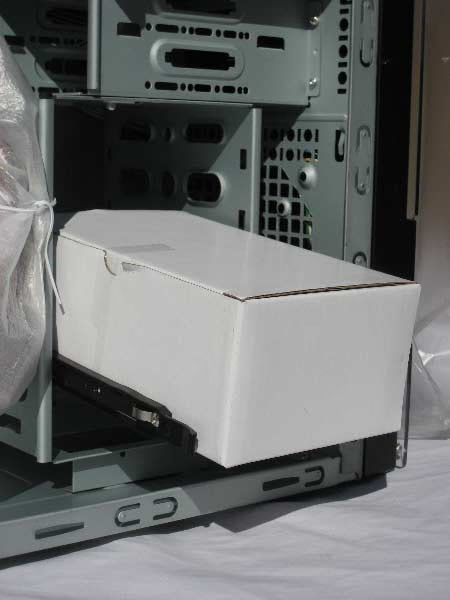
All the loose accessories that are associated with a new enclosure such as screws, standoffs, etc. are packaged neatly in a small box and stored for shipment in the hard drive cage. The accessories box is secured to the HD cage by two of the screwless plastic runners (the rest are in the box) provided to install and attach hard drives to the cage. I like the attention paid by NZXT to their customers first impressions of their product.

Ahhh, a bag of goodies! Gold colored mainboard standoffs, misc silver and black case screws and circular red washer tabs to separate and insulate the motherboard from it's mounting screws. The insulating washers are usually only included in upper end enclosures, another nice touch by NZXT.

All the front bezel wires and cable leads came neatly gathered together for initial aesthetics and to prevent the wires from scratching the case interior or their coupling ends becoming damage by movement during transportation. Again, NZXT displays attention to details to insure the consumers perception of quality in their product.

The front bezel wires unmasked. The red cable is for the much welcomed front E-SATA port , the red and white power molex of the front panel can be seen as well. Also shown are the black USB port cables and the multi colored AC97 audio and LED wires. Note the upgrade feature of the sideways hard drive cage allowing for easy access and cooling airflow from a would be front intake fan.
Detailed Interior Features
As we have seen, there are really no new interior design enhancements save the turned HD cage, an innovation that has been previously done before in similar case designs, and the rubber safety guards that protect the consumer's hands during component installation from the two most prominent sharp corners in the interior. The lack of new interior innovations again points to the fact that NZXT put all their proverbial "eggs' in one basket with this design, the exterior design basket to be exact.
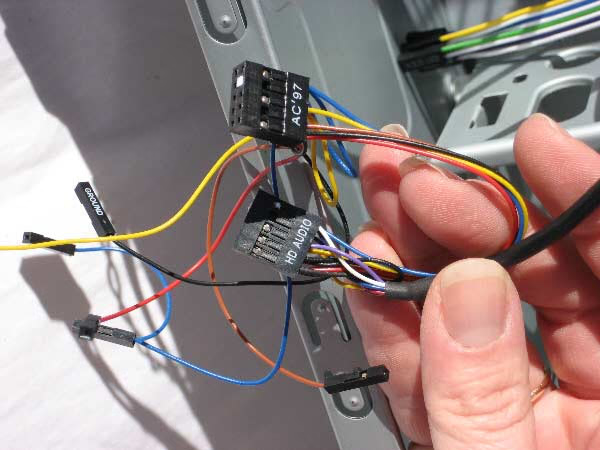
A close up of the Alpha's front IO panel AC97 and HD audio wiring. Each are conveniently labeled to aid in installation. The manual for this case is actually worth having and will be very useful to first time builders as it clearly displays all the options for USB and audio installation as well as the usage of the toolless retention design for hard drives and disk drives.

Here we have a better look at the front IO panels LEDs, power, and reset Molex, all clearly identified for trouble free connection to the motherboard. This is all standard fair in any case worth your trouble.

The Alpha comes with this great little extra and NZXT deserves to take a bow for this one. The item above is a mini Piezo case speaker and has been included for those end users who don't have built in speaker capability on their motherboards. I have actually built a system for a friend's son and the ASUS motherboard he picked out had no sound until we plugged this super handy little mighty mite in. I almost never see one of these included with a high end case, (again, only the new Lian Li PC-P80 comes to mind) and my best guess as to why, is that the manufacturers don't think anyone purchasing a high-end enclosure would install a motherboard that didn't have built in sound!

This is a photo, of one of my biggest pet peeves. There should be a 120mm fan in the space between the hard drive cage and the front intake grill, but there isn't. Why? I see this all the time in model after model from just about every manufacturer out there. Why skimp, and cheapen the product with the omission of something as simple, yet necessary, as the system's primary intake fan? Hello. According to NZXT, the Alpha was designed for gaming enthusiasts, yet this case is simply not in operable condition without a front intake fan. How many first time builders have unnecessarily risked their system components unknowingly because of this particularly popular industry short cut? All the great little touches, and thoughtful details put into the presentation of the Alpha by NZXT to help separate the Alpha from the rest of the pack, and yet the omitted fan exhibits the typical lack of concern for the consumer's convenience that is exhibited by the rest of the industry, by saving $12.00 and presenting the Alpha in a less than fully functional condition!

Speak of the devil. Here is a close up of one of the two supplied fans that come with the Alpha, an NZXT blue LED fan mounted on the windowed panel. The fans are one speed low noise 1100RPM 120mm sleeve bearing fans and emit an average of 23dB of background noise. I personally think complaints about excessive noise from systems are a little overblown in general but in any event the 23 decibels of the Alpha's fans is well within the tolerable range for most people.
Classical Series Final Thoughts
There are a couple of alterations to the design of the Alpha that I believe would greatly enhance it's value and performance. An exhaust fan in the roof of the case would certainly improve ventilation and cooling, while filters would also improve the quality of the air inside the enclosure. With the ever increasing demand for PCI slots, additional slots in the rear panel would be a much needed relief for those utilizing SLI and Crossfire, wireless PCI cards, etc. Some water cooling hose grommets would be preferable to an unfiltered passive rear vent. One interesting thing to note while discussing case alterations, is that the Alpha has a great reputation with the case modding community as an easy case to modify because of it's basic, clean lines and simplicity.

The NZXT Alpha: Conclusion
I struggled with where to apply the points awarded for NZXT's multiple "Small Extras" and eventually settled on including them in with the Presentation score because most of the time this score is a reflection on the particular company in question's packaging and marketing efforts. NZXT's packaging was well done but the high marks in this category pertaining to the Alpha are because of NZXT's repeated and welcomed efforts to enhance the customers initial experience with their product. The case's vulnerable surfaces are protected even during the manufacturing process, quality accessories, key edges rubberized for customer safety, extras like insulating washers, a manual, and the Piezo speaker, and lastly a neat and secure interior upon arrival that confers the impression of quality.
The exterior appearance of the Alpha is certainly the strength of the case. The Alpha is an attractive case that is neither understated or over the top. NZXT succeeded in pulling off the futuristic look, and at the same time, by providing the windowed side panel as optional, designed an enclosure that could find itself in an office as easily as the desk top of a gamer. So well is the futuristic flavor captured by the Alpha's design, that the look and feel of the case remain unchanged even when the enhancing LED lights are not utilized. Accompany the case's design with the enhancing blue LED accents and experience the full effect of the case's intended aesthetics.
I found no flaws in the construction of the enclosure and noted a cleanliness about the final manufactured unit. The seems and edges were tight and there were no detectable manufacturing flaws other than a little unsightly paint over-spray on the inside of the side panel. The enclosure itself is exceptionally light, and remarkably weighs about 3 pounds less than the average comparable case! The side panel fastening system deserves to be mentioned here too because of it's simple yet durable design.
Functionally speaking, the case had it's own set of pros and cons. On a positive note, the addition of an e-SATA port was an unexpected but welcomed upgrade. The doorless design is convenient as well as practical and the option of a windowed or solid side panel model enables the Alpha to be adapted to a diverse range of potential environments. The screwless locking system employed isn't new but it is effective and greatly simplifies component installation. Unfortunately, the Alpha came sans the front intake fan. I was surprised that a company working as hard as NZXT to differentiate themselves and present a quality product, would then participate in one of the industry's most consumer unfriendly practices of not providing all the fans. The lack of interior or rear panel innovation and the heavy concentration on exterior aesthetics is a trend the enclosure industry will eventually have to break away from, but for now, it seems to be producing a lot of very aesthetically different cases with extremely similar performance characteristics. Sticking closely to the industries standard budget design caused NZXT to have only one fan more than the minimal cooling requirements for the design. The Alpha enclosure is designed specifically for gaming rigs, but even with it's full compliment of 3 fans the Alpha would be hard pressed to maintain an acceptable ambient case temperature with a couple of 8800GTX in SLI idling at 54c and on top of that the heat emitted by today's larger and more powerful high wattage PSUs. The gaming components of today have outgrown the cooling solutions of yesterday, so armed with barely more than the traditional minimal cooling and ventilation, the Alpha cannot be expected to excel in this area. Lastly, though the case is designed for gaming, which thrives on high end components often requiring additional cooling, there are no water cooling options available within the current design.
There is certainly value in the Alpha from NZXT, especially as long as there are overpriced cases on the market. I have seen comparable cases for less, but selling for $59.99 at Newegg prices the Alpha fairly competitively amongst it's peers. Some of the best value in the computer hardware industry are available in the budget mid-range enclosure market, as is exemplified by the NZXT Alpha.
If your looking for a light, well made, stylistic and attractive case, that is reasonably priced, then the Alpha by NZXT is worth taking into consideration when making your final decision on your system enclosure needs.
Pros:
+ Attractive Design
+ Exceptionally Light Weight
+ Small Extras by NZXT
+ eSATA
+ Windowed Side (Optional)
+ Doorless Front Panel
+ Screwless Installation
Cons:
- No Front Intake Fan Included
- Little Innovation of Interior/Rear
- Minimal Ventilation Utilized
- No Options for Water Cooling
Ratings:
-
Presentation: 9.25
-
Appearance: 9.25
-
Construction: 9.00
-
Functionality: 8.25
-
Value: 8.25
Final Score: 8.80 out of 10.
Quality Recognition: Benchmark Reviews Silver Tachometer Award.
Questions? Comments? Benchmark Reviews really wants your feedback. We invite you to leave your remarks in our Discussion Forum.